
Non-Owner SR-22 After Too Many Tickets — Nebraska
Free to compare
The Filing Requirement Nobody Explained
Your license was suspended after accumulating too many points. You don't own a car — you sold it, gave it away, or never had one to begin with. You assumed the suspension was simply a time-out: serve the period, pay the reinstatement fee, get your license back. Then the Nebraska DMV told you that reinstatement requires proof of financial responsibility — SR-22 filing — for three years following reinstatement. You're stuck in a structural gap: the state requires insurance proof, but standard auto policies only cover vehicles you own.
This is the non-owner SR-22 scenario. Nebraska's reinstatement requirements don't distinguish between drivers who own vehicles and drivers who don't. The SR-22 filing obligation applies regardless. Non-owner SR-22 policies exist specifically to bridge this gap — they provide the liability coverage and filing the state requires without insuring a specific vehicle.
“Nebraska requires SR-22 filing for reinstatement even when you don't own a vehicle — non-owner policies exist specifically for this gap.”

Have Your Nebraska Proof of Insurance Ready
Get My Nebraska Suspended License Insurance Quote$125
Nebraska Reinstatement Fee
This is the base administrative fee to reinstate your license after a point-suspension period ends. It does not include the cost of SR-22 filing or the non-owner policy premium — those are separate and mandatory.
Nebraska DMV Driver and Vehicle Records division
What Non-Owner SR-22 Actually Covers
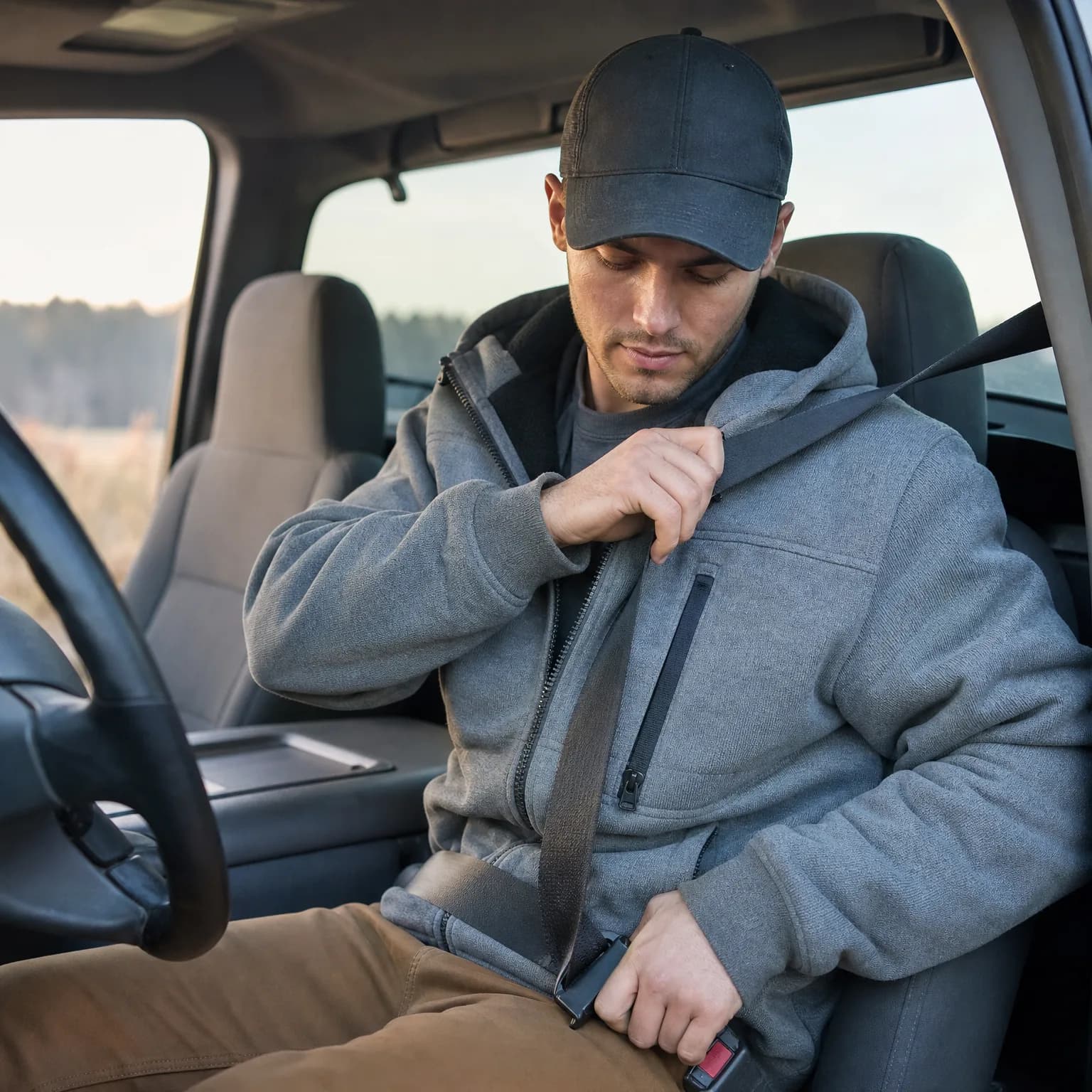
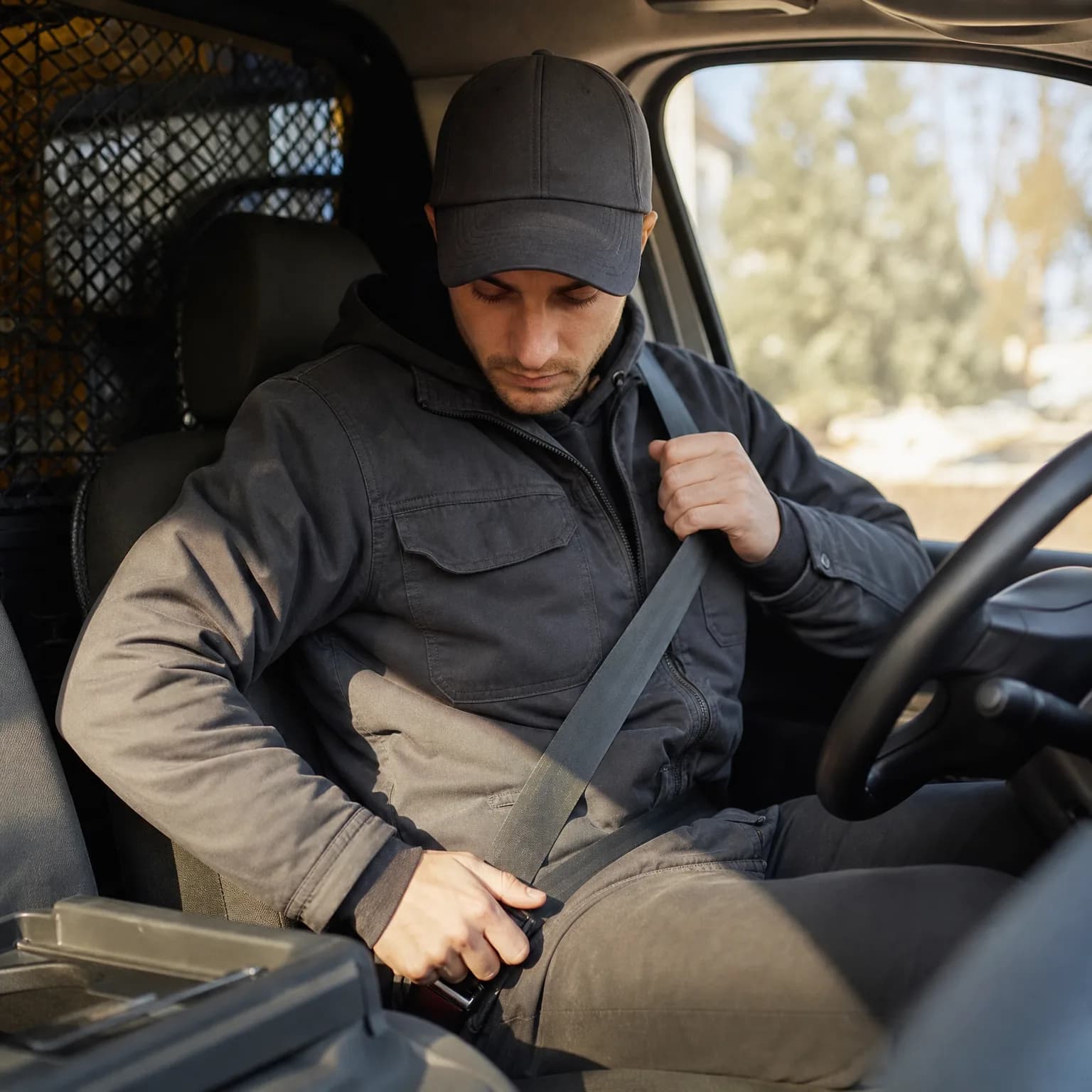
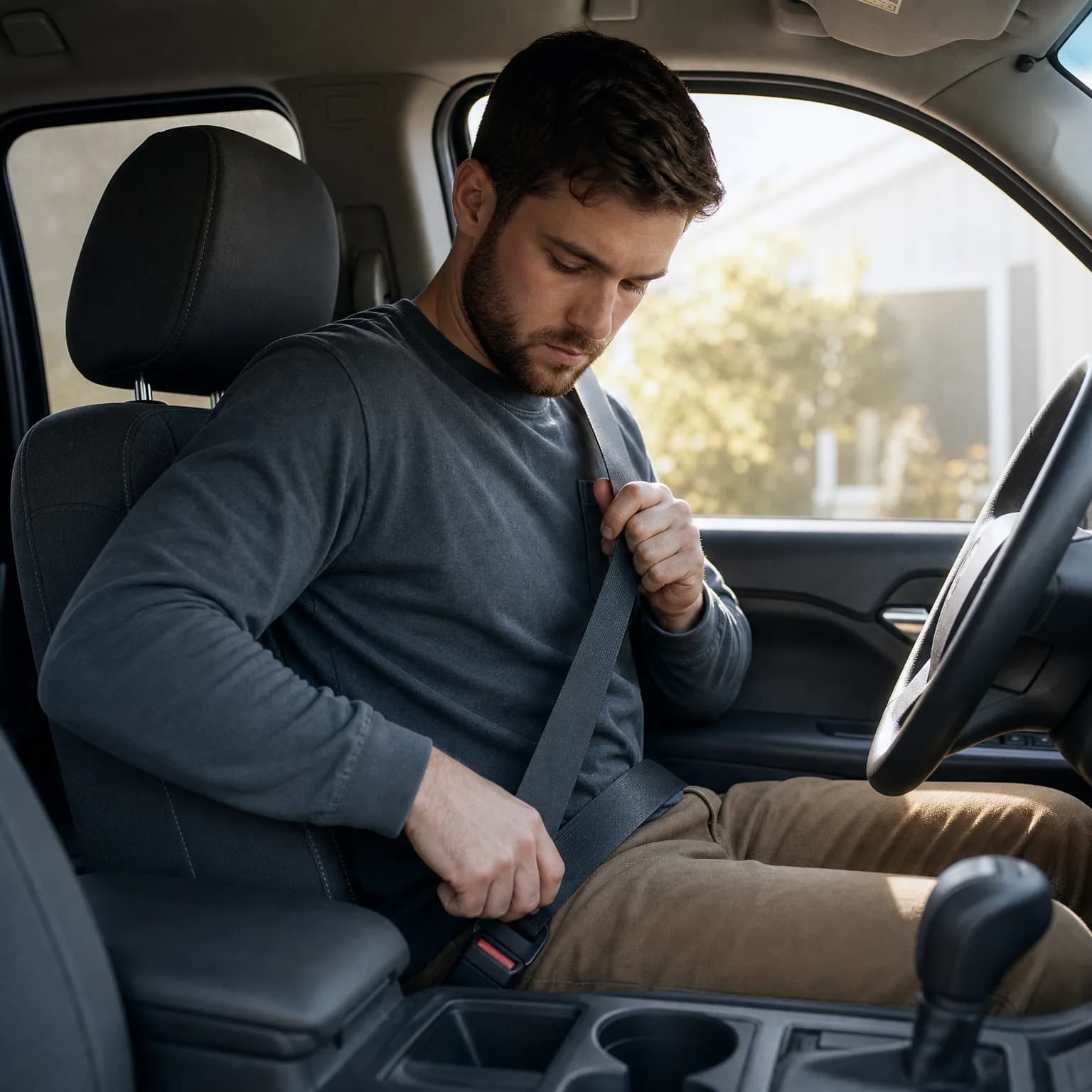
A non-owner SR-22 policy provides liability coverage when you drive a vehicle you don't own. The policy covers bodily injury and property damage you cause while driving someone else's car — a rental, a friend's vehicle, a borrowed work truck. It does not cover physical damage to the vehicle you're driving; that's the owner's responsibility under their own collision and comprehensive coverage.
The SR-22 component is a certificate your insurer files electronically with the Nebraska DMV certifying that you carry continuous liability coverage meeting the state's minimum limits: $25,000 per person for bodily injury, $50,000 per accident, and $25,000 for property damage. The filing stays active as long as you maintain the policy and pay premiums on time. If you cancel or lapse, the insurer notifies DMV within 24 hours and your license is immediately re-suspended.
Non-owner policies do not provide collision, comprehensive, medical payments, or uninsured motorist coverage unless you specifically add those endorsements. Most carriers writing non-owner SR-22 in Nebraska offer only the liability component required for filing. The policy is priced based on your driving record, age, and the duration of SR-22 filing required — not on a specific vehicle's value or use pattern.

Nebraska DMV will not process your reinstatement application or issue an Employment Driving Permit without active SR-22 filing on record first.



What Non-Owner SR-22 Costs in Nebraska
Non-owner SR-22 policies in Nebraska typically run $35–$65 per month for drivers with point suspensions. The premium depends on how many points triggered your suspension, whether any violations involved alcohol or reckless driving, your age, and how long you've been licensed. Younger drivers with recent reckless driving convictions pay toward the high end of the range; older drivers with only speeding-related points pay closer to the low end.
The SR-22 filing fee itself is a one-time charge of $15–$25 depending on the carrier. Some insurers roll this into the first month's premium; others bill it separately. You'll also face the $50 Employment Driving Permit application fee if you choose that route, or the $125 reinstatement fee if you wait out the full suspension period. These are separate from the insurance cost and paid directly to the state.
Most carriers writing non-owner SR-22 in Nebraska require six-month policy terms paid in full upfront, though some allow monthly payment plans with an installment fee. If you cancel mid-term, you receive a pro-rated refund minus the filing fee and any cancellation penalty. Switching carriers mid-filing-period is allowed — the new carrier files a new SR-22 and the old carrier files a cancellation notice — but any gap longer than 24 hours between the cancellation and new filing triggers automatic license re-suspension.
3 years
Nebraska SR-22 Filing Duration
The three-year period begins on your reinstatement date, not your suspension date. If you reinstate via Employment Driving Permit and later convert to full reinstatement, the three-year clock restarts from the full reinstatement date.
Nebraska DMV reinstatement requirements

Carriers Writing Non-Owner SR-22 in Nebraska
Not all auto insurers write non-owner policies, and fewer still handle SR-22 filings for point-suspension cases. Progressive, Geico, and The General write non-owner SR-22 policies in Nebraska and quote online. Dairyland specializes in non-owner SR-22 for high-risk drivers and writes through independent agents statewide. Bristol West writes non-owner SR-22 but requires broker placement — you cannot buy directly online.
State Farm writes SR-22 filings in Nebraska but non-owner policy availability varies by local agent — some State Farm agents in Omaha and Lincoln write them routinely; others refer out. National General writes non-owner SR-22 nationally but Nebraska-specific availability should be verified by ZIP code before assuming coverage. USAA writes non-owner SR-22 for military members and eligible family only.
When comparing quotes, confirm the carrier files SR-22 electronically with Nebraska DMV and ask for the specific timeline between payment and filing confirmation. Some carriers file within 24 hours; others take 3–5 business days. If you're applying for an Employment Driving Permit on a deadline, filing speed matters.
What Happens After Three Years
The SR-22 filing requirement ends automatically three years from your reinstatement date. Your insurer does not file a termination notice — the obligation simply expires and you're no longer required to carry SR-22. If you still don't own a vehicle at that point, you can cancel your non-owner policy without DMV consequences. If you've acquired a vehicle during the three-year period, you would have already switched to a standard auto policy with SR-22 attached; after three years you can remove the SR-22 filing and continue the standard policy without it.
Nebraska DMV does not send a notification when your SR-22 period ends. Track the end date yourself from your reinstatement paperwork. Some drivers continue carrying non-owner policies after the SR-22 requirement expires because they still drive borrowed or rented vehicles regularly and want liability protection. This is optional — once the filing obligation ends, the coverage decision is purely personal risk tolerance.

Compare Non-Owner SR-22 Carriers Now
You need active SR-22 filing before Nebraska DMV will process your Employment Driving Permit application or accept your reinstatement fee. Non-owner policies meet that requirement without forcing you to insure a vehicle you don't own. Rates vary significantly by carrier and your specific violation history — comparison matters. Get quotes from at least three carriers writing non-owner SR-22 in Nebraska, verify electronic filing timelines, and confirm the policy meets state minimum liability limits before buying.
Two Pathways: Employment Permit or Full Reinstatement
The Employment Driving Permit (EDP) allows you to drive during your suspension period for employment, school, medical treatment, or court-approved purposes only. Hours and routes are restricted to your documented work schedule or approved need. The application requires proof of employment or qualifying purpose, SR-22 filing proof, and a $50 application fee. Processing typically takes 7–10 business days after submission. If your suspension was point-related without a DUI component, you're eligible immediately. If your point suspension included an alcohol-related violation, you may face a mandatory hard suspension period before EDP eligibility — verify your specific timeline with the DMV Driver and Vehicle Records division before applying.
Full reinstatement after the suspension period ends requires payment of the $125 reinstatement fee, active SR-22 filing on record, and in some cases completion of a driver improvement course or written retest if your suspension exceeded one year. Reinstatement grants unrestricted driving privileges immediately. The SR-22 filing requirement continues for three years from the reinstatement date — not from the suspension start date. If you cancel your non-owner policy or let it lapse at any point during those three years, DMV re-suspends your license administratively and you start the reinstatement process over from the beginning.
Get Your Free Quote
Get My Nebraska Suspended License Insurance QuoteFrequently Asked Questions
Can I get an Employment Driving Permit in Nebraska without owning a car?
Yes. The Employment Driving Permit requires SR-22 filing proof, not vehicle ownership. A non-owner SR-22 policy satisfies the filing requirement and allows you to drive for employment, school, or medical purposes under the permit's restrictions.
What happens if I buy a car while carrying a non-owner SR-22 policy?
You must switch to a standard auto policy covering the vehicle you now own and transfer the SR-22 filing to that policy. The three-year filing obligation continues uninterrupted — notify your insurer immediately when you acquire a vehicle to avoid a filing gap that triggers re-suspension.
Does non-owner SR-22 cover me if I rent a car in Nebraska?
Yes. Non-owner policies provide liability coverage when you drive any vehicle you don't own, including rentals. The policy does not cover physical damage to the rental vehicle — purchase the rental agency's collision damage waiver separately if you want that protection.
How long does it take to get SR-22 filing proof after buying a non-owner policy?
Most Nebraska carriers file electronically with DMV within 24–72 hours after payment. Progressive and Geico typically file within 24 hours; Dairyland and Bristol West may take 3–5 business days. Confirm filing speed with your carrier if you're on a permit application deadline.
Can I cancel my non-owner SR-22 policy if I stop driving during the three-year period?
No. Canceling or lapsing triggers automatic license re-suspension even if you're not actively driving. The SR-22 filing requirement is independent of whether you currently drive — you must maintain continuous coverage for the full three-year period to avoid re-suspension.
Will my non-owner SR-22 rates go down after my first year without violations?
Possibly. Some carriers reduce non-owner SR-22 premiums at renewal if you've maintained continuous coverage without new violations. The reduction is typically smaller than standard policy discounts because non-owner policies already carry lower base premiums than vehicle-specific coverage.