
Non-Owner SR-22 After Second DUI — Nebraska
Free to compare
The Documentation Gap After Second DUI
You completed your second DUI court proceedings in Nebraska, surrendered your license, and sold your vehicle during suspension to cut costs. Now reinstatement requires SR-22 proof of insurance — but standard auto policies require owning a vehicle. The DMV reinstatement checklist doesn't explain how to satisfy the insurance filing when you don't have a car to insure.
This is the structural gap most second-offense DUI drivers hit: Nebraska requires continuous financial responsibility proof through SR-22, but the standard pathway assumes vehicle ownership. Non-owner SR-22 insurance exists specifically for this situation. It satisfies the state filing requirement without requiring you to own or operate a vehicle during your suspension period.
“The three-year SR-22 clock starts at conviction, not reinstatement — time suspended counts toward the total.”

Have Your Nebraska Proof of Insurance Ready
Get My Nebraska Suspended License Insurance Quote60 days
Nebraska Second DUI Hard Suspension
Before Nebraska issues an Ignition Interlock Permit for second DUI, you must complete a mandatory 60-day hard suspension with zero driving privileges. The IIP application opens only after this window closes.
Neb. Rev. Stat. § 60-6,211.05
What Non-Owner SR-22 Actually Covers
Non-owner SR-22 is liability-only coverage for drivers who don't own a vehicle but need to satisfy state financial responsibility requirements. The policy covers you when driving a borrowed or rented vehicle — it does not cover a specific car. Nebraska's minimum liability requirements apply: $25,000 bodily injury per person, $50,000 per accident, $25,000 property damage.
The carrier files the SR-22 certificate electronically with Nebraska DMV on your behalf. This filing proves you carry continuous liability coverage, which is what the state actually requires for reinstatement after second DUI. The policy itself costs less than standard auto insurance because it carries no collision or comprehensive coverage and assumes lower usage.
You maintain the non-owner policy through your entire SR-22 filing period — typically three years for second DUI in Nebraska, measured from conviction date. If the policy lapses or cancels, the carrier notifies DMV electronically within 15 days, triggering immediate re-suspension of driving privileges even if you've already regained your license.
Second DUI in Nebraska triggers a three-year SR-22 filing requirement. The clock starts at conviction, not at reinstatement — time suspended counts toward the three years.
Related Articles



The Reinstatement Sequence for Second DUI
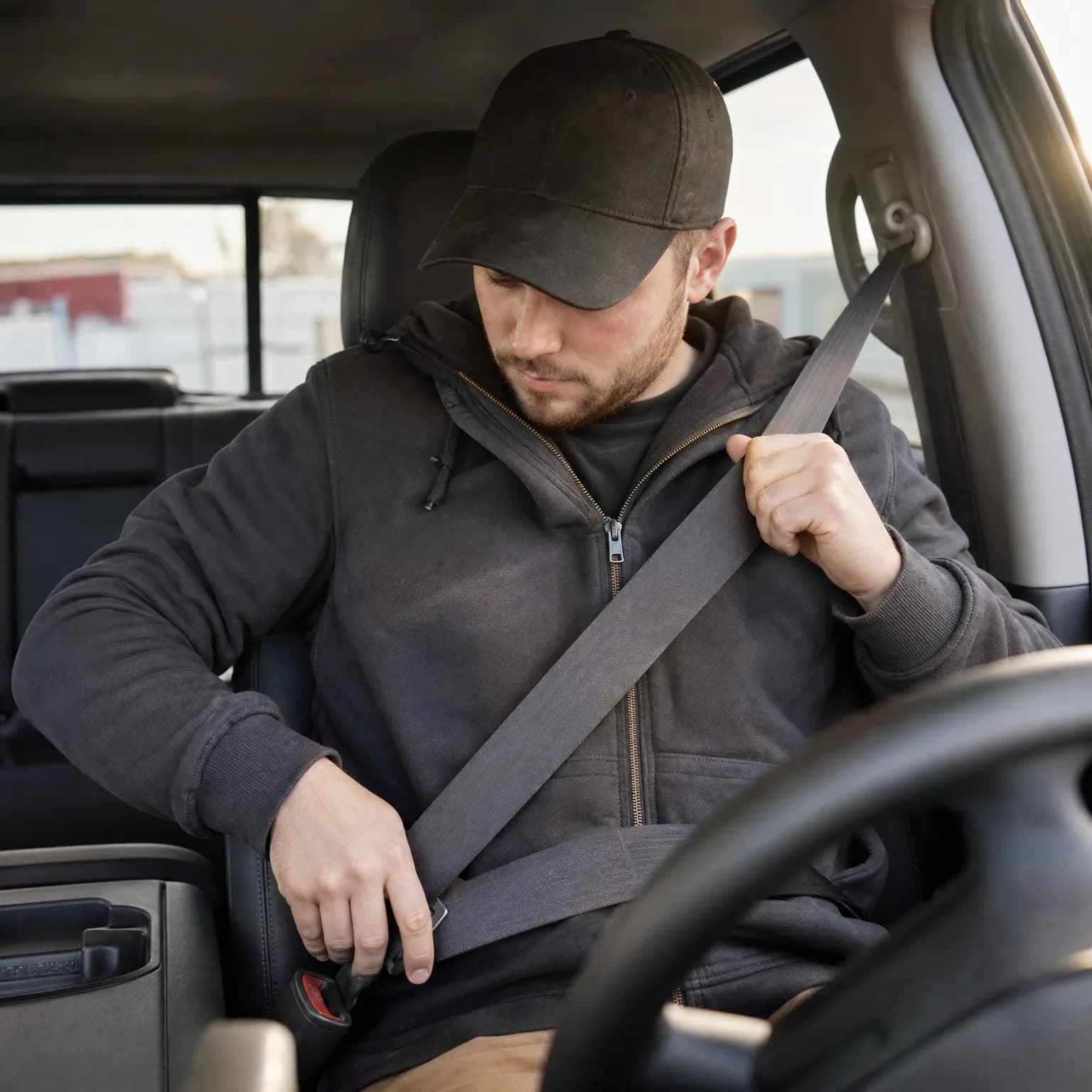
Nebraska's reinstatement after second DUI follows a strict sequence: complete the 60-day hard suspension, obtain non-owner SR-22 insurance, apply for the Ignition Interlock Permit through DMV, install the approved interlock device, pay the $125 reinstatement fee, and satisfy any chemical dependency evaluation or treatment program requirements ordered by the court. Missing steps or attempting them out of order delays the entire process.
The chemical dependency evaluation is mandatory for alcohol-related revocations in Nebraska. You schedule the evaluation through a state-approved provider, complete any recommended treatment or education program, and submit proof of completion to DMV before reinstatement approval. This requirement runs parallel to the SR-22 filing — both must be satisfied simultaneously.
Once the IIP is issued, you're restricted to driving vehicles equipped with the interlock device, during hours and routes approved on your permit. The permit specifies allowed purposes: work, school, medical treatment, court-ordered obligations, and interlock service appointments. Driving outside these boundaries or during unapproved hours violates permit terms even if you're driving a vehicle with an installed device.
$85–$140/mo
Non-Owner SR-22 Premium Nebraska
Non-owner SR-22 policies in Nebraska after second DUI typically cost $85 to $140 per month depending on age, county, and time since conviction. This rate is separate from ignition interlock device costs, which add $70 to $120 monthly for lease and calibration.
Estimates based on available industry data; individual rates vary.
How Long You Maintain the SR-22
Nebraska requires three years of continuous SR-22 filing after second DUI conviction. The three-year clock starts at the date of conviction, not the date you apply for reinstatement or the date the IIP is issued. If you were suspended for 18 months before regaining driving privileges, you still owe the full three years of SR-22 filing from conviction — roughly 18 months remain after reinstatement.
Canceling the non-owner policy before the three-year filing period ends triggers automatic DMV notification and immediate re-suspension. You cannot substitute a standard auto policy mid-period unless that policy also carries an SR-22 endorsement filed with Nebraska DMV. If you purchase a vehicle during the SR-22 period, notify your carrier to transfer the SR-22 from the non-owner policy to the new standard policy without a coverage gap.
Where to Get Non-Owner SR-22 in Nebraska
Not all carriers write non-owner SR-22 policies in Nebraska. In the carrier data confirmed for this state, Geico, Progressive, Dairyland, and The General explicitly write SR-22 and non-owner coverage. State Farm writes SR-22 but non-owner availability is not confirmed. Bristol West and National General write SR-22 and serve after-DUI drivers but do not explicitly confirm non-owner products in public documentation.
You request the SR-22 endorsement when purchasing the non-owner policy. The carrier files the certificate electronically with Nebraska DMV — you do not file it yourself. Expect the filing to process within 1 to 3 business days. Bring proof of the SR-22 filing, your chemical dependency evaluation completion certificate, proof of ignition interlock device installation, and payment for the $125 reinstatement fee when you visit the DMV to apply for your Ignition Interlock Permit. Missing any of these documents extends the timeline.
Nebraska's Two Permit Pathways After DUI
The Employment Driving Permit (EDP) applies to general suspensions: points accumulation, unpaid tickets, insurance lapses. The Ignition Interlock Permit (IIP) applies specifically to DUI-related suspensions. For second DUI, you pursue the IIP, not the EDP. The programs have different fees, different application routes, different device installation requirements, and different hard suspension periods before eligibility opens.
The IIP requires installation of a Nebraska-approved ignition interlock device by a state-certified vendor before the permit is issued. You pay installation costs, monthly lease fees, and periodic calibration fees directly to the vendor — these are not covered by the permit fee. The device remains installed for the entire IIP period, which typically runs 12 to 18 months for second offense. Driving any vehicle without the installed device violates your permit terms and triggers immediate revocation.
Get Your Free Quote
Get My Nebraska Suspended License Insurance QuoteFrequently Asked Questions
Can I get SR-22 insurance in Nebraska without owning a car?
Yes. Non-owner SR-22 insurance satisfies Nebraska's financial responsibility requirement after second DUI without requiring vehicle ownership. The policy covers you when driving borrowed or rented vehicles and includes the SR-22 certificate filing with Nebraska DMV. Carriers writing non-owner SR-22 in Nebraska include Geico, Progressive, Dairyland, and The General.
How long do I need SR-22 after a second DUI in Nebraska?
Nebraska requires three years of continuous SR-22 filing after second DUI conviction. The three-year period starts at your conviction date, not your reinstatement date. If your policy lapses or cancels before three years, DMV receives electronic notification and immediately re-suspends your driving privileges.
What is the difference between Nebraska's Employment Driving Permit and Ignition Interlock Permit?
The Employment Driving Permit applies to non-DUI suspensions like points or unpaid tickets. The Ignition Interlock Permit applies specifically to DUI suspensions and requires installation of a state-approved interlock device. Second DUI drivers must pursue the IIP, not the EDP. The IIP requires SR-22 insurance, device installation, and completion of a 60-day hard suspension before eligibility.
How much does non-owner SR-22 insurance cost in Nebraska after second DUI?
Non-owner SR-22 policies in Nebraska after second DUI typically cost $85 to $140 per month depending on your age, county, and time since conviction. This rate is separate from ignition interlock device costs, which add approximately $70 to $120 monthly for lease, installation, and calibration.
Can I drive during the 60-day hard suspension period in Nebraska?
No. Nebraska imposes a mandatory 60-day hard suspension for second DUI with zero driving privileges. You cannot apply for the Ignition Interlock Permit until this 60-day period is complete. Driving during hard suspension results in additional criminal charges and extends your total suspension period.
What happens if I let my non-owner SR-22 policy lapse in Nebraska?
If your non-owner SR-22 policy lapses or cancels, the carrier notifies Nebraska DMV electronically within 15 days. DMV immediately re-suspends your driving privileges even if you've already completed reinstatement. You must obtain new SR-22 coverage, refile with DMV, and restart the three-year filing period from the new filing date.