
Non-Owner SR-22 Insurance After a DUI — Nebraska
Free to compare
When Nebraska Requires Insurance You Can't Use
You received a DUI conviction in Nebraska, your license is revoked, and the DMV reinstatement packet lists SR-22 proof of insurance as a mandatory condition. You don't own a car. You sold it after the arrest, or you never owned one in the first place. The DMV's requirement makes no sense—why would the state demand insurance on a vehicle that doesn't exist?
Nebraska law requires continuous liability insurance coverage tied to your driver's license, not to a specific vehicle. Non-owner SR-22 insurance solves this structural problem by filing proof of liability coverage with the DMV without requiring you to own or insure a car. The policy covers you when you drive someone else's vehicle—a rental, a friend's car, or a family member's vehicle—and satisfies Nebraska's three-year SR-22 filing requirement following DUI revocation.
“Nebraska ties SR-22 filing to your license, not to a vehicle—non-owner coverage satisfies the requirement without owning a car.”

Have Your Nebraska Proof of Insurance Ready
Get My Nebraska Suspended License Insurance Quote3 years
Nebraska DUI SR-22 Duration
Nebraska requires SR-22 filing for three years following DUI-related license revocation, measured from the date you file SR-22 with the DMV, not from the conviction date. The filing period continues even if you move out of state during this window.
Nebraska Administrative License Revocation statutes (Neb. Rev. Stat. § 60-498 et seq.)
What Non-Owner SR-22 Actually Covers
Non-owner SR-22 is liability-only insurance that covers bodily injury and property damage you cause while driving a vehicle you don't own. Nebraska law requires minimum liability limits of $25,000 per person for bodily injury, $50,000 per accident for bodily injury, and $25,000 per accident for property damage. The policy does not cover damage to the vehicle you're driving—that falls under the owner's collision coverage—and it does not cover medical expenses for you personally unless you add optional coverage.
The SR-22 filing is a certificate your insurer submits electronically to the Nebraska DMV proving you carry continuous liability coverage. If your policy lapses or cancels for any reason, the insurer notifies the DMV immediately and your license suspension reinstates automatically. You cannot drive legally in Nebraska during the three-year SR-22 period without maintaining this coverage, even if you never own a vehicle during that time.
Non-owner policies are considerably cheaper than standard auto insurance because they exclude collision and comprehensive coverage and carry lower risk for insurers. Nebraska drivers with DUI records typically pay $45–$75 per month for non-owner SR-22 coverage, compared to $180–$280 per month for standard SR-22 policies covering an owned vehicle. Estimates are based on available industry data and vary by age, county, and violation history.
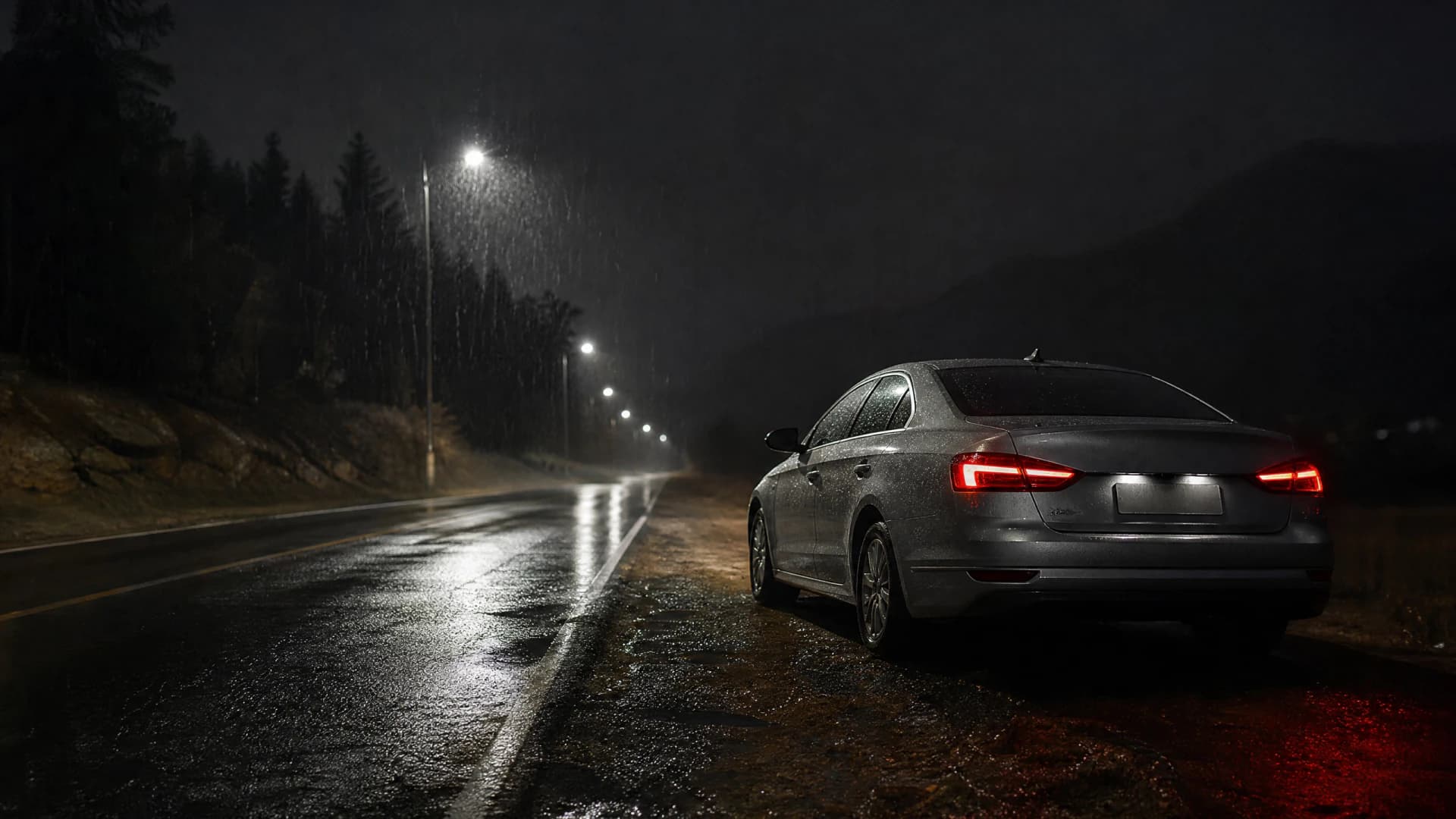
Nebraska DMV suspends your license again within 48 hours if your non-owner SR-22 policy lapses for any reason—non-payment, cancellation, or switching carriers without continuous filing.



Reinstatement Steps After SR-22 Filing
Nebraska DUI-related revocations require completing multiple conditions before reinstatement, and SR-22 filing is only one component. You must serve the mandatory hard suspension period—60 days for a first-offense DUI before you can apply for an Ignition Interlock Permit (IIP), which allows limited driving with an ignition interlock device installed. Second and subsequent offenses carry longer hard suspension periods and may not qualify for IIP at all.
After the hard suspension period ends, you apply for reinstatement through the Nebraska DMV Driver and Vehicle Records division. The application requires proof of SR-22 filing, payment of the $125 reinstatement fee, completion of a chemical dependency evaluation and any recommended treatment or education programs, and installation of a state-approved ignition interlock device if required by your conviction terms. The DMV does not process reinstatement applications until all conditions are satisfied and documented.
If you qualify for an Ignition Interlock Permit during your revocation period, the IIP allows driving only for work, school, medical appointments, and other court-approved purposes, and only in a vehicle equipped with a functioning ignition interlock device installed by a Nebraska-certified vendor. The IIP is not a full license reinstatement—it is a restricted permit with specific route, time, and vehicle restrictions. Violating IIP terms triggers immediate revocation of the permit and extends your SR-22 filing period.
$125
Nebraska Reinstatement Fee
The base reinstatement fee for DUI-related license revocation in Nebraska is $125, paid to the DMV at the time of reinstatement application. This fee does not include ignition interlock installation costs (typically $75–$150 for installation plus $60–$90 per month for monitoring), SR-22 insurance premiums, or court-ordered fines and treatment program fees.
Nebraska DMV Driver and Vehicle Records division
When You Can Drop Non-Owner SR-22
You must maintain continuous SR-22 filing for the full three-year period Nebraska requires, starting from the date the DMV receives your initial SR-22 certificate. The clock does not start on your conviction date or your reinstatement date—it starts when the insurer files SR-22 with the DMV. If your policy lapses at any point during the three years, the DMV resets the filing period and you must file SR-22 continuously for another three years from the new filing date.
If you purchase a vehicle during the SR-22 period, you must switch from non-owner coverage to a standard auto insurance policy with SR-22 endorsement. Contact your insurer before purchasing the vehicle to arrange the transition without a coverage gap. The new policy must include SR-22 filing, and the insurer must notify the DMV of the policy change electronically to avoid triggering an automatic suspension. After three years of continuous SR-22 filing with no lapses, the DMV releases the SR-22 requirement and you can switch to standard insurance without the filing.
Finding Non-Owner SR-22 Coverage
Not all carriers write non-owner policies, and fewer write non-owner SR-22 policies for DUI drivers. Progressive, Geico, Dairyland, The General, and Bristol West actively write non-owner SR-22 in Nebraska and quote online or by phone. State Farm writes SR-22 policies but does not advertise non-owner coverage publicly—contact a local agent to confirm availability. National General writes SR-22 policies but availability varies by underwriting criteria and county.
Request quotes from at least three carriers because premiums vary significantly by underwriting model. Dairyland and The General specialize in high-risk drivers and typically offer competitive non-owner SR-22 rates. Progressive and Geico write non-owner policies as a secondary product and may price higher for DUI drivers. Compare monthly premiums, payment plans, and electronic filing confirmation timelines before purchasing. Verify the carrier files SR-22 electronically with the Nebraska DMV—some carriers require manual filing, which delays reinstatement processing and increases lapse risk.
Filing SR-22 With the Nebraska DMV
Contact carriers that write non-owner SR-22 policies in Nebraska: Progressive, Geico, Dairyland, The General, and Bristol West all offer non-owner coverage statewide and file electronically with the DMV. Request a non-owner SR-22 policy explicitly—standard liability quotes will not include the SR-22 certificate filing. Provide your driver's license number, conviction date, and case number from your DUI court documents. The carrier generates a quote based on your violation history and county of residence.
Once you purchase the policy, the carrier files the SR-22 certificate electronically with the Nebraska DMV within 24 to 48 hours. Processing is automated; you do not file paperwork yourself. The DMV's Driver and Vehicle Records division confirms receipt and updates your record to show active SR-22 filing. You can verify filing status by calling the DMV at their Driver Records line or checking your online driving record through the Nebraska DMV website. Do not assume the filing completed—confirm with the DMV before proceeding to reinstatement.
Get Your Free Quote
Get My Nebraska Suspended License Insurance QuoteFrequently Asked Questions
Do I need SR-22 insurance if I don't own a car in Nebraska?
Yes, if the DMV requires SR-22 filing for license reinstatement after a DUI or other qualifying violation. Non-owner SR-22 satisfies Nebraska's filing requirement without requiring you to own or insure a vehicle. The policy covers you when driving someone else's car and proves continuous liability coverage to the DMV.
How much does non-owner SR-22 insurance cost in Nebraska after a DUI?
Nebraska drivers with DUI records typically pay $45–$75 per month for non-owner SR-22 coverage. Rates vary by county, age, and violation history. Non-owner policies cost significantly less than standard SR-22 auto insurance because they exclude collision and comprehensive coverage.
Can I drive my spouse's car with non-owner SR-22 insurance in Nebraska?
Yes, non-owner SR-22 covers you when driving a vehicle you don't own, including a spouse's car, as long as you are not a listed driver on their policy and the vehicle is not registered in your name. The coverage is secondary to the owner's insurance and only pays after their policy limits are exhausted.
What happens if my non-owner SR-22 policy lapses in Nebraska?
The insurer notifies the Nebraska DMV electronically within 24 hours of policy cancellation or lapse. The DMV automatically suspends your license and resets your three-year SR-22 filing requirement from the date you file a new SR-22 certificate. You cannot drive legally until you purchase a new policy and the carrier files SR-22 with the DMV.
How long do I need SR-22 after a DUI in Nebraska?
Nebraska requires SR-22 filing for three years following DUI-related license revocation, measured from the date your insurer files the SR-22 certificate with the DMV. The period resets if your policy lapses for any reason during the three years.
Do I need non-owner insurance during my Nebraska license suspension?
Yes, if you plan to reinstate your license after the suspension period ends. Nebraska DMV requires proof of SR-22 filing before processing your reinstatement application, and non-owner SR-22 satisfies this requirement. You cannot legally reinstate your license without active SR-22 coverage on file with the DMV.