
Nebraska SR-22 Requirement Starts Before You Can Drive
You received a first-offense DUI conviction in Nebraska, your license is suspended for the mandatory 180-day minimum period, and you just learned you need SR-22 insurance to reinstate. The confusion: why does the state require you to buy auto insurance when you are not allowed to drive? The structural reality is that Nebraska's reinstatement process requires proof of SR-22 filing before the DMV will restore your license, forcing you to carry high-risk premiums during the suspension period when you have no legal driving privileges.
This creates a cost window most drivers do not anticipate. The SR-22 filing period is 3 years from the date you file, not from the date your license is reinstated. If you wait until day 180 of your suspension to file, you pay high-risk rates for the full suspension period plus 3 additional years. If you file earlier to satisfy reinstatement paperwork, you start the SR-22 clock while still suspended. Either way, you are paying elevated premiums before you can legally drive again.
Compare car insurance rates in your state
Get quotes from licensed carriers — no obligation, no spam, results in minutes.
Get Your Free QuotePost-DUI Premium Add Nebraska
$95–$165/mo
First-offense DUI drivers in Nebraska see monthly premiums rise by this range compared to clean-record rates. The lower end reflects minimum liability with a standard carrier; the upper end reflects full coverage or placement with a non-standard carrier. The SR-22 filing fee itself ($25–$50 depending on carrier) is separate from the premium increase.
Carrier rate filings and Nebraska Department of Insurance market data, 2024
What SR-22 Filing Actually Does to Your Rate
The SR-22 is not insurance. It is a certificate your carrier files with the Nebraska DMV confirming you carry at least the state minimum liability limits: $25,000 bodily injury per person, $50,000 per accident, and $25,000 property damage. The filing itself costs $25 to $50 depending on carrier. The rate increase comes from how carriers classify the DUI violation, not the SR-22 paperwork.
Carriers treat first-offense DUI as a major violation. You move from standard-risk to high-risk underwriting, which means higher base premiums, removal of clean-driver discounts, and potential placement with a non-standard subsidiary if your current carrier will not renew you. Progressive, Geico, and State Farm all write SR-22 policies in Nebraska and will quote post-DUI drivers, but expect premiums 60% to 120% higher than your pre-conviction rate.
The SR-22 filing requirement lasts 3 years from the date you file. If your carrier cancels your policy or you let coverage lapse for any reason during those 3 years, the carrier is required to notify the Nebraska DMV electronically within 15 days. The DMV suspends your license again immediately, and you start the SR-22 period over from zero when you refile. Continuous coverage for the full 36 months is mandatory.
Nebraska requires SR-22 filing during suspension, not just after reinstatement. You pay high-risk premiums before you can legally drive.
Non-Owner SR-22 Cost for Suspended Drivers

Non-owner policies provide liability coverage when you drive someone else's vehicle, but their primary function in this context is to satisfy the SR-22 filing requirement. Monthly premiums for non-owner SR-22 policies in Nebraska typically range $70 to $120 per month for a first-offense DUI driver. The rate is lower than standard auto insurance because there is no vehicle to insure for collision or comprehensive damage, but it is higher than clean-record non-owner rates because the DUI violation still applies.
Geico, Progressive, Dairyland, The General, and USAA all write non-owner SR-22 policies in Nebraska. Expect the carrier to ask for your driver's license number, the suspension case number from the DMV, and the court docket number from your DUI conviction. The policy activates immediately upon payment, and the carrier files the SR-22 certificate with the DMV within 24 to 72 hours electronically. You receive a copy of the SR-22 form by email or mail, which you present to the DMV as part of your reinstatement paperwork.
Related Articles




Ignition Interlock Permit and Insurance Requirements
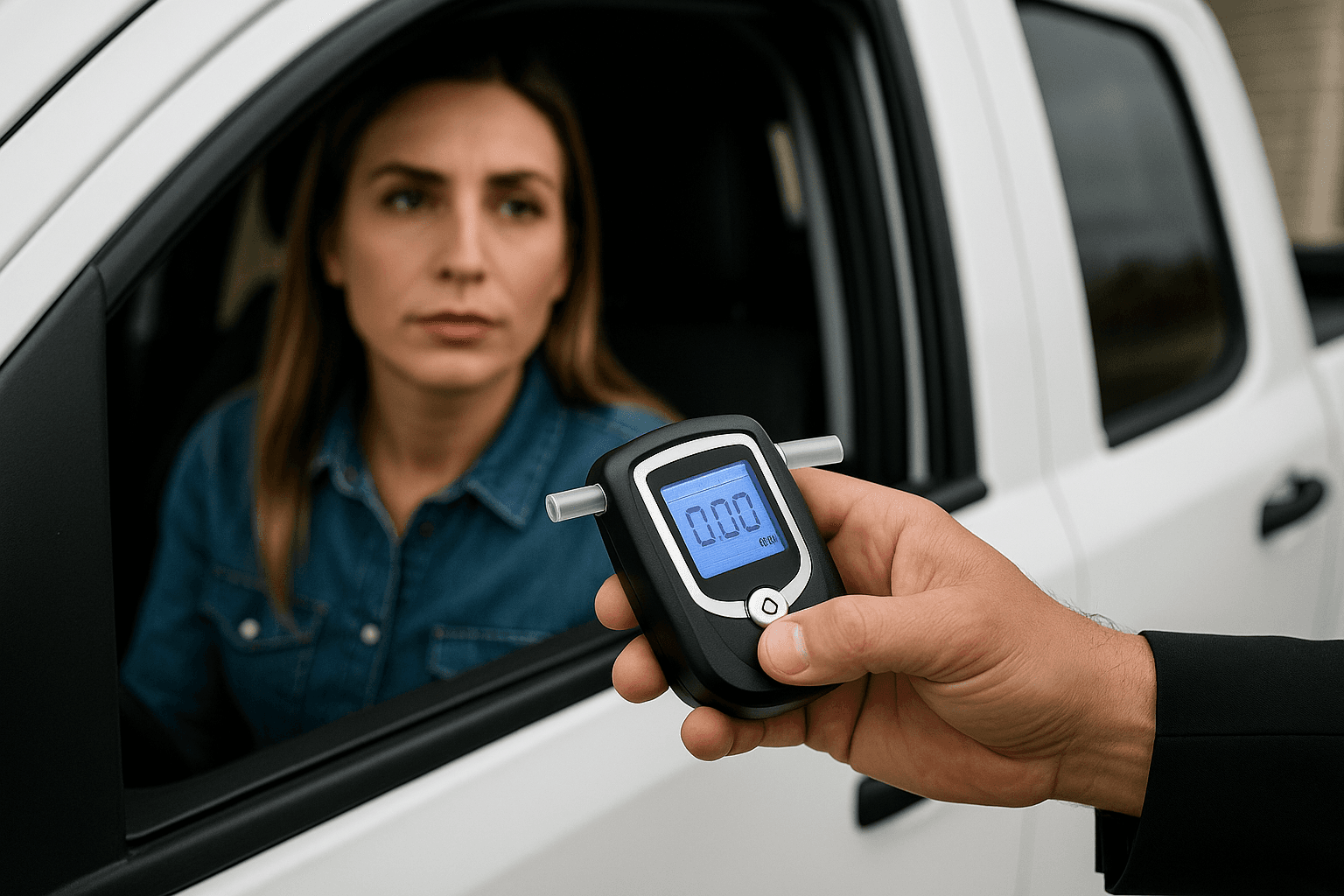
Nebraska allows first-offense DUI drivers to apply for an Ignition Interlock Permit after serving a mandatory 60-day hard suspension period. The IIP lets you drive with a court-approved ignition interlock device installed in your vehicle for work, school, medical appointments, and other DMV-approved purposes. The permit costs $50 to apply and requires SR-22 proof of insurance before the DMV will issue it.
The insurance wrinkle: your carrier must know you are driving with an IIP and that the vehicle is equipped with an ignition interlock device. Some carriers treat the IIP as a separate underwriting factor and charge an additional premium. Others do not. You must disclose the IIP when you apply for coverage. If you do not disclose and the carrier discovers the device during a claim, they can deny coverage and cancel the policy retroactively, which triggers an SR-22 lapse and immediate license re-suspension.
The IIP does not replace the SR-22 filing requirement. You still need continuous SR-22 coverage for the full 3 years, even after the IIP period ends and your full license is reinstated. The SR-22 clock runs independently of the suspension and reinstatement process.
Nebraska License Reinstatement Fee
$125
This is the base reinstatement fee the Nebraska DMV charges to restore your license after the suspension period ends. It is separate from the SR-22 filing fee, the IIP application fee, any court fines, the ignition interlock device installation and monthly monitoring cost, and the DUI education course fee. Total out-of-pocket costs for full reinstatement after a first DUI typically exceed $1,500 when insurance premium increases are excluded.
Nebraska DMV Driver and Vehicle Records division fee schedule
How Long Elevated Rates Last After Reinstatement
The SR-22 filing requirement ends after 3 years, but the DUI conviction stays on your driving record for 12 years in Nebraska under the DMV's point system. Carriers use your motor vehicle record to price premiums, and most look back 3 to 5 years for major violations. You will see premium reductions after the SR-22 period ends and the 3-year lookback window passes, but the conviction continues to affect underwriting decisions until it ages off your record completely.
After the SR-22 requirement ends, shop your policy aggressively. Many drivers stay with the non-standard carrier that wrote their post-DUI coverage and pay inflated premiums for years after they qualify for standard rates again. Request quotes from at least 3 standard carriers once the SR-22 period ends. If you maintained continuous coverage with no additional violations, you should qualify for better rates and potentially recover some of the discounts you lost after the DUI.
Compare Carriers Now to Lock the Lowest Available Rate
Carriers price DUI risk differently. Progressive and Geico both write post-DUI policies in Nebraska and compete for high-risk drivers, which creates rate variance you can exploit. Dairyland and The General specialize in non-standard coverage and often quote lower premiums than standard carriers for drivers with recent violations, but their coverage options are more limited. State Farm writes SR-22 policies but tends to price DUI drivers higher than Progressive in Nebraska based on current market behavior.
Request quotes that itemize the SR-22 filing fee separately from the base premium. Some carriers bundle the fee into the first month's payment; others spread it across the policy term. Compare the total annual cost, not just the monthly premium. If you need non-owner coverage, confirm the carrier files SR-22 electronically with the Nebraska DMV and ask how long the filing takes to process. You need the SR-22 certificate in hand before you can complete reinstatement paperwork, and processing delays can extend your suspension if you are cutting the timeline close.