
SR-22 Insurance After Breathalyzer Refusal — Nebraska
Free to compare
The Administrative Revocation Happened Yesterday
You refused the breathalyzer at the traffic stop. The officer handed you a notice of administrative license revocation on the spot. Your license is suspended effective immediately under Nebraska's Administrative License Revocation law (Neb. Rev. Stat. § 60-498.01). You have 10 days from the date of that notice to request a DMV hearing to contest the administrative revocation. Most drivers miss this window because they're focused on the criminal DUI charge that's also coming.
Here's the structural reality: Nebraska runs two parallel suspension tracks for breathalyzer refusal. The administrative revocation is a DMV civil penalty—1 year minimum, no criminal conviction required. The criminal DUI charge is a separate court case with its own suspension period if convicted. Both tracks require SR-22 filing. Both tracks have different timelines. Neither one waits for the other to resolve before imposing consequences.
“The 3-year SR-22 filing clock starts the day your ignition interlock permit is issued, not when your full license is restored.”

Have Your Nebraska Proof of Insurance Ready
Get My Nebraska Suspended License Insurance Quote1 year
Nebraska Refusal Administrative Revocation
Administrative license revocation for breathalyzer refusal in Nebraska is 1 year for a first offense, imposed by the DMV independent of any criminal DUI conviction. This period begins immediately upon notice and runs concurrently with any criminal suspension period if you are later convicted.
Neb. Rev. Stat. § 60-498.02
SR-22 Is Required Before You Can Drive Again
Nebraska requires SR-22 certificate of financial responsibility filing before the DMV will issue an Ignition Interlock Permit (IIP) during your revocation period. You cannot get the IIP without SR-22 proof on file. You cannot drive legally—even with an ignition interlock device installed—until both the device and the SR-22 are active.
The 3-year SR-22 filing period starts the day your IIP is issued, not the day your full license is reinstated. Most drivers assume the clock starts at reinstatement. It does not. If you delay applying for the IIP and drive on a suspended license instead, you extend the total time you'll be paying SR-22 premiums because the 3-year countdown hasn't started yet.
SR-22 is not insurance. It's a certificate your carrier files electronically with the Nebraska DMV proving you carry at least the state minimum liability coverage: $25,000 bodily injury per person, $50,000 per accident, $25,000 property damage. If your policy lapses or cancels during the 3-year filing period, the carrier notifies the DMV within 10 days and your IIP is revoked immediately. You start over.
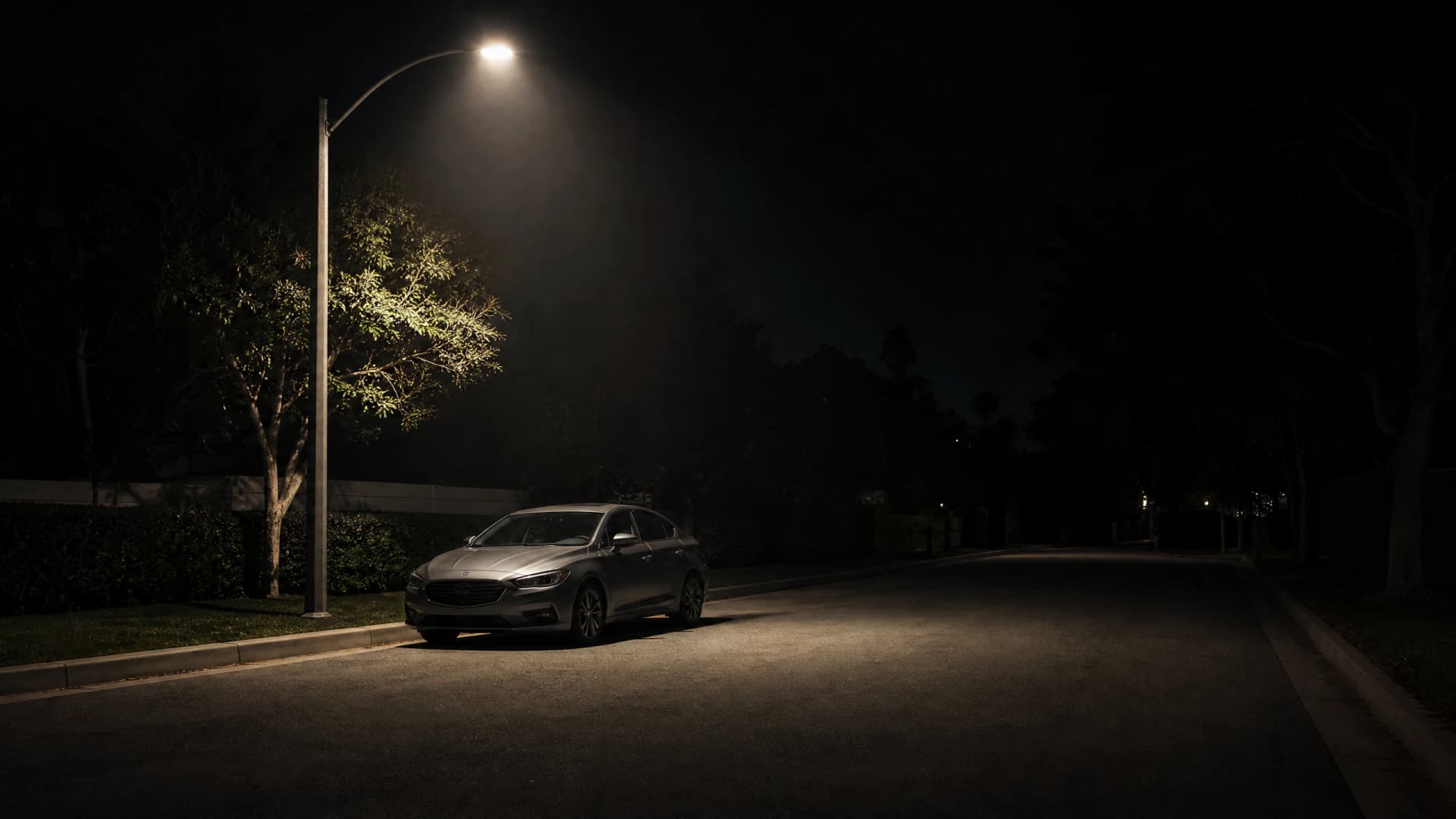
Nebraska imposes a mandatory 60-day hard suspension before you're eligible to apply for an Ignition Interlock Permit. You cannot drive at all during those first 60 days—no exceptions, no work permit, no IIP.






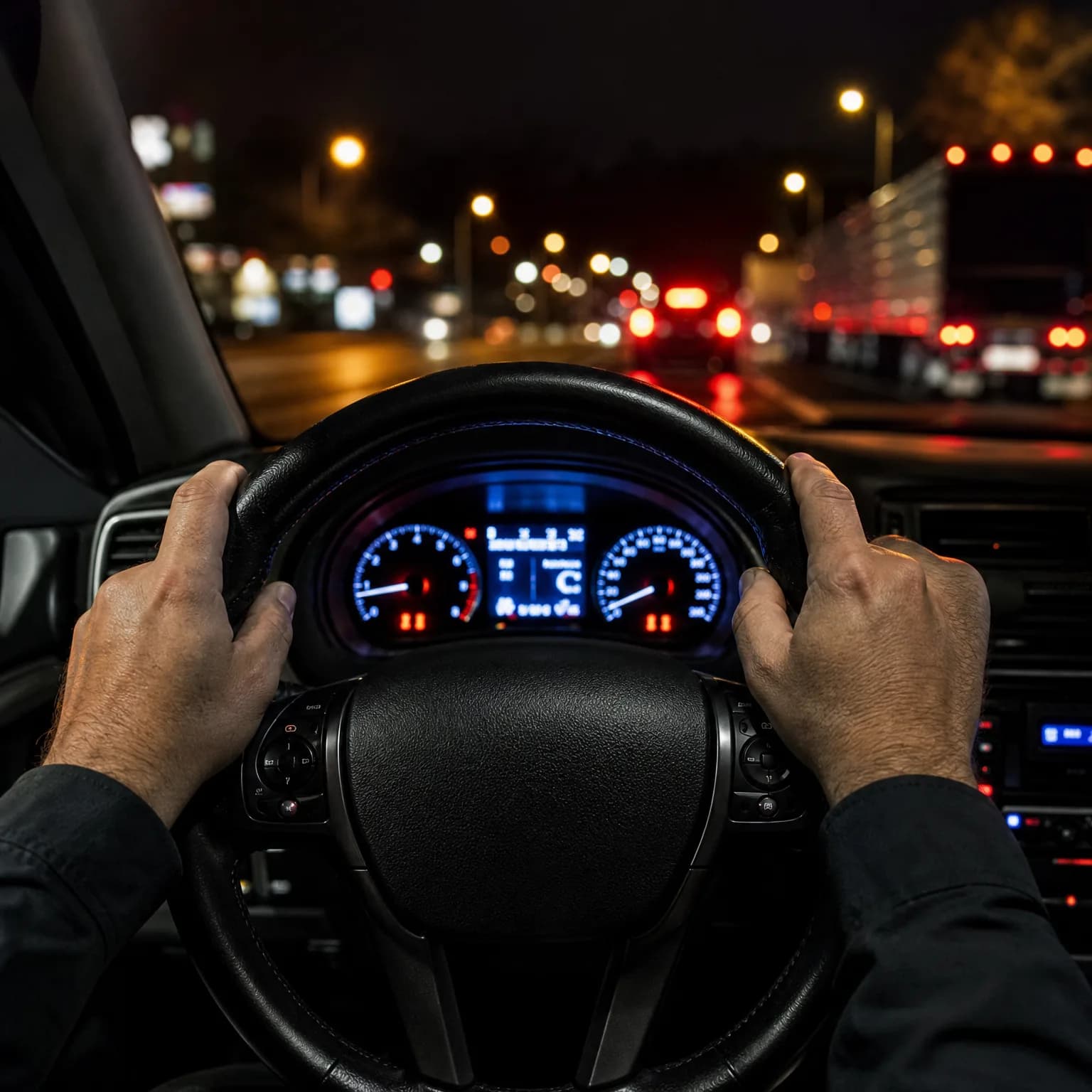
The Ignition Interlock Permit Process
After serving the mandatory 60-day hard suspension, you can apply for an Ignition Interlock Permit. The IIP allows you to drive any vehicle equipped with a Nebraska-approved ignition interlock device for work, school, medical appointments, and court-ordered obligations. It is not a general driving privilege—your permitted routes and hours are defined on the permit based on your submitted schedule.
Application requirements: completed IIP application form, proof of enrollment with a state-certified ignition interlock vendor, SR-22 certificate on file with the DMV, payment of the $50 Employment Driving Permit fee (this is the official name for Nebraska's IIP under Neb. Rev. Stat. § 60-4,118), and proof of the qualifying need (employment verification letter, school enrollment, medical appointment documentation). If your refusal was alcohol-related, you may also be required to complete a chemical dependency evaluation and any recommended treatment program before the IIP is issued.
The interlock device itself costs approximately $75–$125 to install and $65–$90 per month for monitoring and calibration. These costs are separate from your SR-22 insurance premium and the $50 permit fee. Budget for both. The device must remain installed for the entire IIP period—removing it or tampering with it triggers automatic permit revocation and restarts your suspension clock.
Violations of IIP terms—driving outside permitted hours, driving a non-equipped vehicle, failed breath tests recorded by the device—result in immediate permit revocation. The DMV does not issue warnings. One violation ends the permit. You return to full suspension status and must reapply after serving an additional penalty period.
$125
Nebraska License Reinstatement Fee
After completing your full revocation period and satisfying all IIP and SR-22 requirements, you pay a $125 reinstatement fee to restore your unrestricted driver's license. This fee is separate from the $50 IIP application fee and does not include any court fines or DUI program costs.
Nebraska DMV Driver and Vehicle Records division

The Criminal DUI Conviction Adds a Second SR-22 Period
If you are convicted of DUI in criminal court following the breathalyzer refusal, the court will impose a separate license revocation period—typically 6 months to 5 years depending on prior offenses and aggravating factors. This criminal revocation runs separately from the administrative revocation, though both may overlap in time.
The criminal conviction triggers its own 3-year SR-22 filing requirement starting from the date of conviction or the date your license is reinstated after serving the court-ordered suspension, whichever is later. If you already have an active SR-22 filing from your IIP, the court-ordered SR-22 period may extend your total filing obligation beyond the initial 3 years. Nebraska does not stack SR-22 periods consecutively—overlapping periods run concurrently—but the longest period controls. Verify with the court and DMV which SR-22 timeline applies to your specific case.
What Happens If You Move States During the Filing Period
If you move to another state while your Nebraska SR-22 filing requirement is active, the filing obligation follows you. You must obtain SR-22 coverage in your new state and maintain it for the remainder of Nebraska's 3-year requirement. The new state's DMV will communicate with Nebraska's DMV to verify continuous coverage. A lapse in any state during the filing period triggers suspension in Nebraska even if you no longer live here.
Some states require FR-44 instead of SR-22 for DUI-related violations—Virginia and Florida specifically. If you move to one of these states, you must file FR-44 (which requires higher liability limits than SR-22) to satisfy both the new state's requirement and Nebraska's ongoing SR-22 obligation. Confirm with both DMVs before the move to avoid a coverage gap that restarts your suspension.
Compare Carriers Writing Refusal Cases Now
Not every carrier writing SR-22 will accept a breathalyzer refusal on your record. Refusal cases are higher risk than standard DUI cases because they signal non-cooperation with law enforcement. Expect fewer carrier options and higher premiums than a driver with a DUI conviction alone. Geico, Progressive, The General, Dairyland, and Bristol West all write refusal cases in Nebraska, but rates vary significantly by carrier, county, age, and vehicle type. Request quotes from at least three carriers before binding coverage—the premium difference between the highest and lowest quote often exceeds $80 per month for the same liability limits. Compare now while you're still within the 60-day hard suspension window so SR-22 coverage is active the day you're eligible to apply for the IIP.
Getting SR-22 Coverage After Refusal
Contact carriers that explicitly write SR-22 and post-DUI policies in Nebraska: Geico, Progressive, The General, Dairyland, Bristol West, and National General all file SR-22 here. State Farm writes SR-22 but typically non-renews drivers with refusal violations. Do not assume your current carrier will keep you—call within 48 hours of the refusal notice to confirm whether they'll continue coverage or cancel at renewal.
If you do not own a vehicle, you need a non-owner SR-22 policy. This covers liability when you drive a borrowed or rented vehicle and satisfies the DMV's SR-22 filing requirement for IIP eligibility. Non-owner policies cost less than standard auto policies because they carry no collision or comprehensive coverage. Geico, Progressive, The General, and USAA all write non-owner SR-22 in Nebraska. Expect monthly premiums between $45 and $95 depending on your age and county.
Get Your Free Quote
Get My Nebraska Suspended License Insurance QuoteFrequently Asked Questions
Do I need SR-22 if I refused the breathalyzer in Nebraska?
Yes. Nebraska requires SR-22 certificate of financial responsibility filing before the DMV will issue an Ignition Interlock Permit during your administrative license revocation period. The SR-22 filing must remain active for 3 years from the date your IIP is issued. If you are later convicted of DUI in criminal court, a separate SR-22 filing period may apply.
How long is my license suspended for breathalyzer refusal in Nebraska?
Administrative license revocation for breathalyzer refusal is 1 year for a first offense. You face a mandatory 60-day hard suspension before you're eligible to apply for an Ignition Interlock Permit. If convicted of DUI in criminal court, the court will impose a separate suspension period—typically 6 months to 5 years—that runs independently of the administrative revocation.
Can I get a work permit during a breathalyzer refusal suspension in Nebraska?
After serving the mandatory 60-day hard suspension, you can apply for an Ignition Interlock Permit (called an Employment Driving Permit under Nebraska law). The IIP allows driving for work, school, medical appointments, and court-ordered obligations using a vehicle equipped with a state-approved ignition interlock device. SR-22 filing must be active before the IIP is issued.
How much does SR-22 insurance cost after breathalyzer refusal in Nebraska?
Monthly SR-22 premiums for breathalyzer refusal cases in Nebraska typically range from $110 to $210 depending on age, county, vehicle type, and carrier. Non-owner SR-22 policies cost less—approximately $45 to $95 per month—because they carry no collision or comprehensive coverage. Rates vary significantly by carrier; compare quotes from Geico, Progressive, The General, and Dairyland.
What happens if my SR-22 policy lapses during the filing period in Nebraska?
If your SR-22 policy lapses or cancels during the 3-year filing period, your carrier notifies the Nebraska DMV within 10 days. The DMV immediately revokes your Ignition Interlock Permit. You return to full suspension status and cannot drive until you reinstate SR-22 coverage, reapply for the IIP, and pay all applicable fees.
Do I need SR-22 if I don't own a car in Nebraska?
Yes, if the DMV requires SR-22 filing for your Ignition Interlock Permit eligibility. You need a non-owner SR-22 policy, which covers liability when you drive a borrowed or rented vehicle and satisfies the state's SR-22 filing requirement. Geico, Progressive, The General, and USAA all write non-owner SR-22 in Nebraska.
Can I contest the administrative license revocation for breathalyzer refusal in Nebraska?
You have 10 days from the date of the notice of administrative license revocation to request a DMV hearing to contest the revocation. The hearing examines whether the officer had reasonable grounds for the stop, whether you were informed of the consequences of refusal, and whether you refused the test. The criminal DUI charge is handled separately in court and does not affect the administrative revocation hearing.