
Cheapest Insurance for Suspended License — Nebraska
Free to compare
Why Standard Quotes Fail Suspended Drivers
Your license was suspended last week. You called your current carrier and they either dropped you immediately or quoted $340/month for the same coverage that cost $110 before the suspension. You shopped three other standard carriers online and none would even quote you. This is the structural reality for suspended drivers in Nebraska: standard-tier carriers either refuse to write you at all or price you into impossibility.
The problem is not your search method. The problem is you're being pushed into the standard auto insurance market when Nebraska law only requires you to maintain financial responsibility proof — not full vehicle coverage. Most suspended drivers don't realize non-owner SR-22 policies exist, and that they cost 50-70% less than reinstating a standard policy while suspended.
“Non-owner SR-22 policies cost 50-70% less than standard suspended-driver rates because there's no vehicle collision exposure.”

Have Your Nebraska Proof of Insurance Ready
Get My Nebraska Suspended License Insurance Quote$95–$160/mo
Nebraska Non-Owner SR-22 Premium
Non-owner policies cover liability-only with no vehicle attached. Because there's no collision or comprehensive exposure, premiums run far below standard suspended-driver rates. Dairyland, Progressive, and The General write these policies in Nebraska.
Carrier rate filings, Nebraska Department of Insurance
The Non-Owner Path Most Drivers Miss
Nebraska requires continuous financial responsibility if you maintain vehicle registration during suspension. If you surrender your plates to the DMV before your insurance lapses, you avoid the mandatory coverage requirement entirely. But if you need SR-22 filing for reinstatement — common after DUI, reckless driving, or uninsured violations — you must carry a policy even without a registered vehicle.
This is where non-owner SR-22 policies solve the structural gap. A non-owner policy provides the state-required liability minimums ($25,000 bodily injury per person, $50,000 per accident, $25,000 property damage) without insuring a specific vehicle. Your SR-22 certificate files with the Nebraska DMV electronically within 24-48 hours. You satisfy the legal requirement at a fraction of standard suspended-driver premiums.
Non-owner policies do not cover borrowed vehicles beyond liability, and they don't cover vehicles you own or regularly use. If you still own a registered vehicle in your name, you need a standard policy. But if you've sold your car, let someone else take over the title, or simply don't drive during suspension, non-owner SR-22 is the correct product and the cheapest legal option.
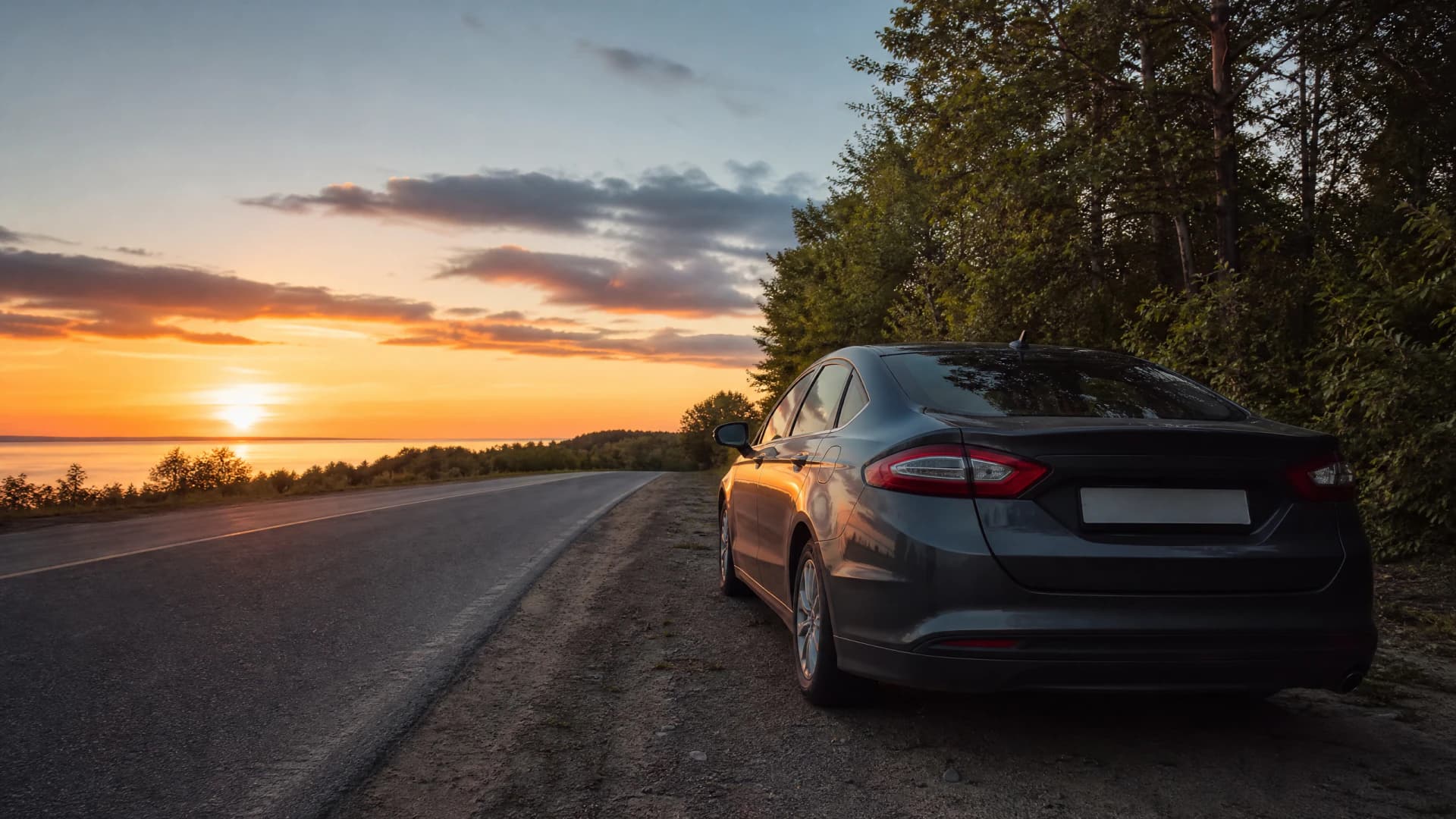
If you still own a registered vehicle in Nebraska, non-owner policies won't work — the DMV matches insurance to registration records and will reject the SR-22 filing.
Related Articles

Cheapest Suspended License Insurance Nebraska
6/4/2026

Cheapest SR-22 for Suspended License NE
6/4/2026

Cheapest Insurance After NE Suspension
6/15/2026
Cheapest Car Insurance Suspended License Lincoln NE
6/25/2026
Cheapest SR-22 With Suspended License NE
6/4/2026
Cheapest Insurance While Suspended Fremont NE
6/25/2026
How Long You Must Maintain SR-22 in Nebraska
Nebraska requires SR-22 filing for three years after a DUI conviction, uninsured motorist violation, or serious moving violation that triggered suspension. The three-year period starts from your conviction date or the date the DMV orders SR-22, not from the date you file. If you let your policy lapse during the filing period, your carrier notifies the Nebraska DMV electronically within 24 hours. The DMV suspends your license again immediately, and you must refile SR-22 and pay a new $125 reinstatement fee.
The cheapest strategy is locking a 6-month or 12-month non-owner policy with automatic renewal. Monthly payment plans cost $8-$15/month more in fees than paying the full term upfront, but monthly prevents a large lapse if your payment method fails. Set up autopay and verify it processes each month. A single missed payment can trigger cancellation, and reinstatement after SR-22 lapse is significantly more expensive than maintaining continuous coverage.
After three years of continuous SR-22 filing with no lapses, the requirement expires automatically. You do not need to notify the DMV. Your carrier stops filing SR-22 and your premium drops 20-40% immediately if you're still with a non-standard carrier. If you've maintained a clean record during the filing period, shop standard carriers again — you may qualify for preferred rates once SR-22 drops off your record.
$125
Nebraska Reinstatement Fee
This fee applies each time your license is reinstated after suspension, including lapses triggered by SR-22 cancellation. If you let your SR-22 policy lapse twice during the three-year filing period, you pay $125 twice. Continuous coverage avoids repeated reinstatement fees.
Nebraska DMV Driver and Vehicle Records division

Employment Driving Permit and Insurance Requirements
Nebraska offers an Employment Driving Permit (EDP) for drivers suspended for non-DUI reasons. The permit allows driving to work, school, medical appointments, and court-ordered obligations. Application costs $50 and requires proof of employment, SR-22 insurance, and payment of any outstanding reinstatement fees. DUI suspensions typically require an Ignition Interlock Permit (IIP) instead, which costs more and mandates device installation.
Both the EDP and IIP require continuous SR-22 insurance while the permit is active. If your SR-22 lapses, the permit is revoked automatically and you cannot drive even for work. Non-owner SR-22 policies satisfy the EDP insurance requirement if you don't own a vehicle. If you drive a vehicle registered to a family member or employer, verify with your carrier that your non-owner policy extends liability coverage to those driving scenarios — some carriers exclude regular use of non-owned vehicles from non-owner policies.
Compare Rates Before You Commit
Start with Dairyland, The General, and Progressive for non-owner quotes. Call each carrier directly and specify non-owner SR-22 — online quote tools often don't surface non-owner options correctly. If you own a vehicle, add National General and Bristol West to your call list. Get quotes with identical liability limits ($25,000/$50,000/$25,000 minimum, but $50,000/$100,000/$50,000 if you can afford it) so you can compare premiums directly.
Rate differences between carriers for the same suspended driver can exceed $80/month. Don't accept the first quote. If one carrier declines you, ask why — some decline all DUI cases, others only decline multiple DUIs or suspended drivers with recent at-fault accidents. Knowing the decline reason helps you target carriers more likely to approve your application. Independent agents who specialize in high-risk auto insurance can shop multiple non-standard carriers simultaneously, but expect to pay a broker fee or slightly higher premiums than going direct to the carrier.
Which Carriers Write Suspended Drivers in Nebraska
Non-owner SR-22 specialists in Nebraska include Dairyland, Progressive, The General, GEICO, and Bristol West. Dairyland and The General focus on high-risk drivers and quote non-owner policies online. Progressive writes non-owner but requires a phone call for SR-22 setup. GEICO writes non-owner SR-22 but approval depends on suspension cause — DUI cases may be declined. Bristol West operates through independent agents and requires broker contact.
Standard-tier carriers that write suspended drivers with vehicles include State Farm (existing customers only, case-by-case approval), National General (after-DUI specialty division), and Farmers (restricted availability). Expect premiums 150-250% above pre-suspension rates. If you own a vehicle and need full coverage, get quotes from at least three non-standard carriers before accepting a standard-tier renewal — the rate spread can exceed $100/month between carriers for identical coverage.
Get Your Free Quote
Get My Nebraska Suspended License Insurance QuoteFrequently Asked Questions
Can I get insurance in Nebraska with a suspended license?
Yes. Nebraska allows you to purchase SR-22 insurance while your license is suspended, and many reinstatement pathways require it. Non-owner SR-22 policies cost $95–$160/month and don't require you to own a vehicle. Carriers like Dairyland, Progressive, and The General write suspended drivers in Nebraska.
Do I need SR-22 if my license is suspended for unpaid tickets in Nebraska?
Not always. Unpaid ticket suspensions don't automatically trigger SR-22 requirements. SR-22 is required for DUI, reckless driving, uninsured motorist violations, and some serious moving violations. Check your suspension notice or call the Nebraska DMV Driver Records division at the number on your suspension letter to confirm whether SR-22 filing is required for reinstatement.
What is a non-owner SR-22 policy?
A non-owner SR-22 policy provides Nebraska's minimum liability coverage without insuring a specific vehicle. It's designed for suspended drivers who don't own a car but need SR-22 filing for reinstatement. Premiums run $95–$160/month, far below standard suspended-driver rates. The policy covers you when driving borrowed or rental vehicles, but doesn't cover vehicles you own or regularly use.
How long does SR-22 filing last in Nebraska?
Three years from your conviction date or the date the DMV orders SR-22 filing. If your insurance lapses at any point during the three years, your license is suspended again and you must pay a new $125 reinstatement fee. After three continuous years with no lapses, the SR-22 requirement expires automatically.
Can I drive with an Employment Driving Permit in Nebraska?
Yes, but only for work, school, medical appointments, or court-ordered obligations. The Employment Driving Permit costs $50 and requires SR-22 insurance, proof of employment, and payment of reinstatement fees. If your SR-22 lapses, the permit is revoked immediately. DUI suspensions typically require an Ignition Interlock Permit instead, which has stricter requirements.
Why won't State Farm quote me after my suspension?
Most standard carriers like State Farm, Allstate, and Nationwide either decline suspended drivers entirely or restrict coverage to existing customers with minor suspensions. Suspended drivers typically need non-standard carriers like Dairyland, The General, or Progressive. These carriers specialize in high-risk drivers and quote non-owner SR-22 policies that standard carriers don't offer.
What happens if I let my SR-22 insurance lapse in Nebraska?
Your carrier notifies the Nebraska DMV electronically within 24 hours. The DMV suspends your license immediately, even if you're already suspended. You must purchase a new SR-22 policy, refile with the DMV, and pay a $125 reinstatement fee. If you're on an Employment Driving Permit or Ignition Interlock Permit, the permit is revoked and you cannot drive for any reason until you reinstate.