
Non-Owner SR-22 Insurance — Nebraska
Free to compare
The Non-Owner SR-22 Path in Nebraska
Your Nebraska license was suspended for DUI, uninsured driving, or another violation requiring SR-22 filing. You sold your car during the suspension, or you never owned one to begin with. The DMV still requires proof of financial responsibility before they'll process reinstatement. Standard advice pushes you toward regular auto insurance, but you're being quoted $140–$220 per month to insure a vehicle you don't own.
Non-owner SR-22 insurance solves the structural mismatch. It satisfies Nebraska's financial responsibility requirement without insuring a specific vehicle. You carry liability coverage that follows you as a driver, the insurer files the SR-22 certificate with the Nebraska DMV electronically, and you meet reinstatement conditions at a fraction of the cost of standard policies. This path exists specifically for drivers in your position.
“Non-owner SR-22 satisfies Nebraska's financial responsibility requirement without insuring a vehicle you don't own, cutting premiums 40–60% below standard policies.”

Have Your Nebraska Proof of Insurance Ready
Get My Nebraska Suspended License Insurance Quote$45–$85/mo
Nebraska Non-Owner SR-22 Premium
Non-owner policies with SR-22 filing in Nebraska typically run 40–60% less than standard auto policies because they cover liability only and exclude vehicle collision or comprehensive damage. Rates vary by violation type and county.
Carrier rate filings, Nebraska Department of Insurance
What Non-Owner SR-22 Actually Covers
Non-owner SR-22 provides bodily injury and property damage liability coverage when you drive a vehicle you don't own. Nebraska requires minimum limits of $25,000 per person, $50,000 per accident for bodily injury, and $25,000 for property damage. The policy covers claims against you if you cause an accident while driving a borrowed car, a rental, or a friend's vehicle.
The SR-22 component is a financial responsibility certificate the insurer files directly with the Nebraska DMV. It proves you maintain continuous liability coverage. The filing itself costs nothing extra, but carriers charge higher premiums for drivers with SR-22 requirements because the underlying violation signals elevated risk. The policy and the filing are bundled; you cannot get one without the other.
Non-owner policies explicitly exclude vehicles you own, vehicles registered to you, and vehicles available for your regular use. If you purchase a car during the policy period, you must convert to a standard auto policy immediately. Coverage also excludes damage to the vehicle you're driving — it protects others, not the borrowed car itself.
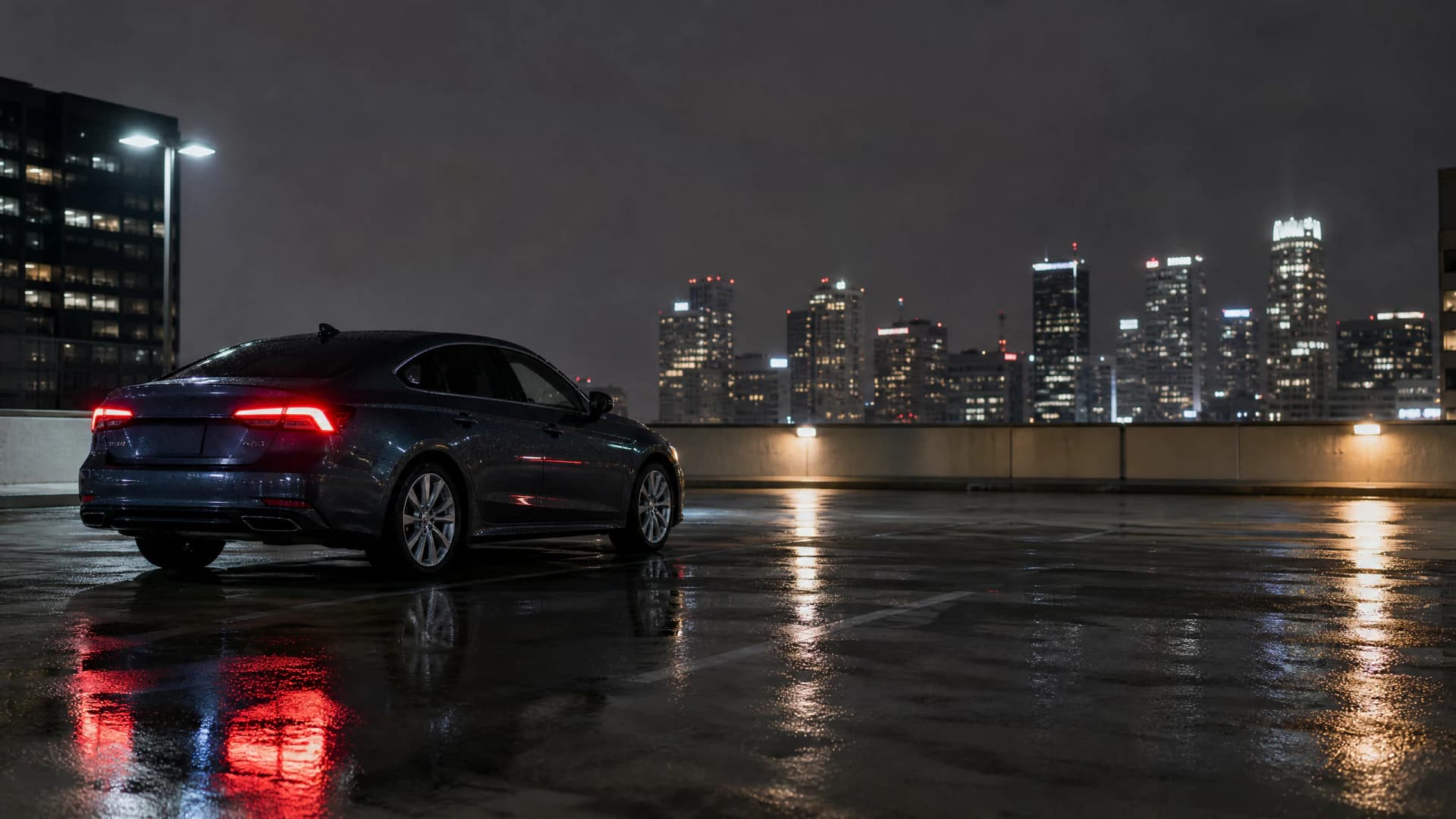
Nebraska DMV rejects reinstatement applications when the SR-22 filing shows a lapse or cancellation, even if the gap was only 24 hours. Continuous coverage starts the day you apply.
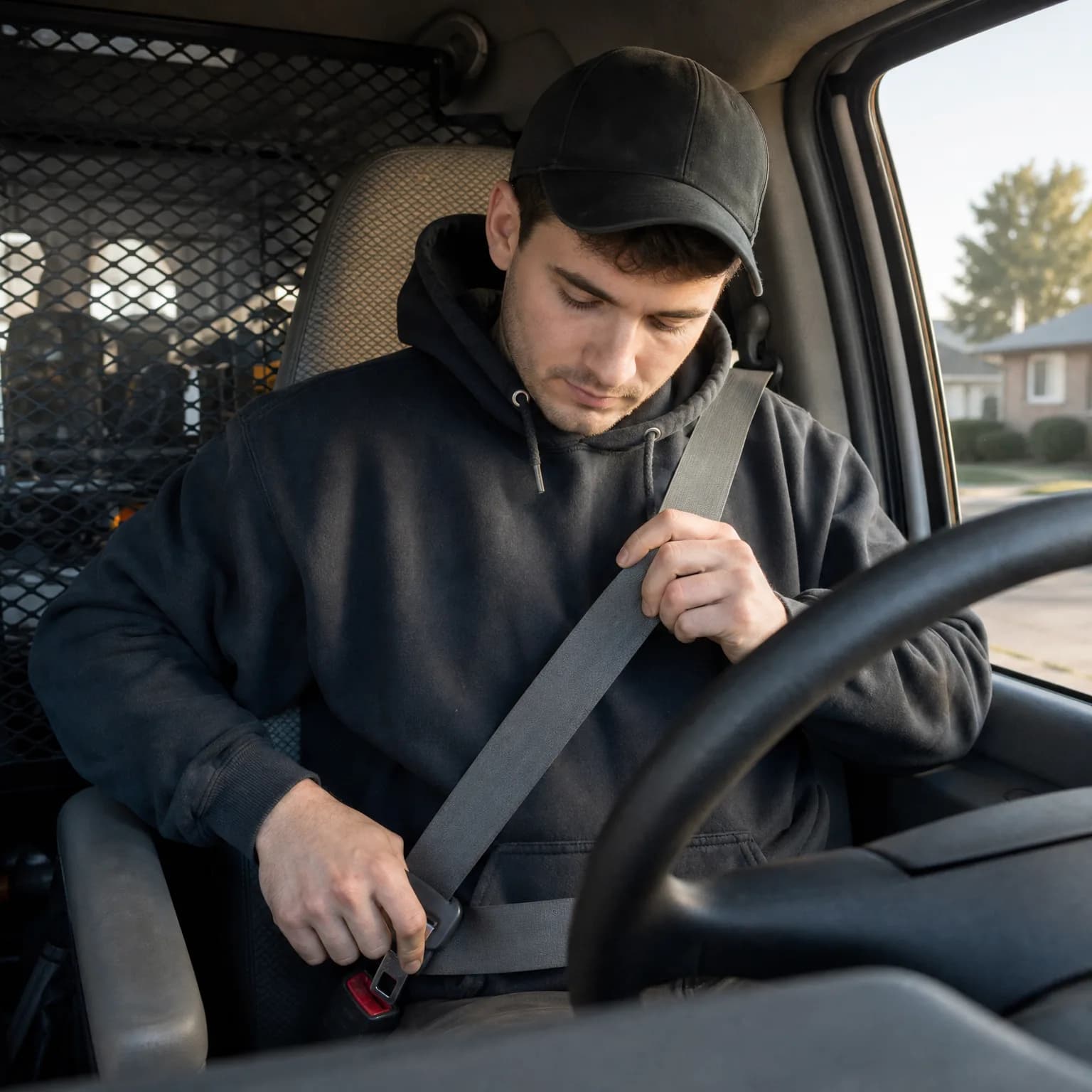





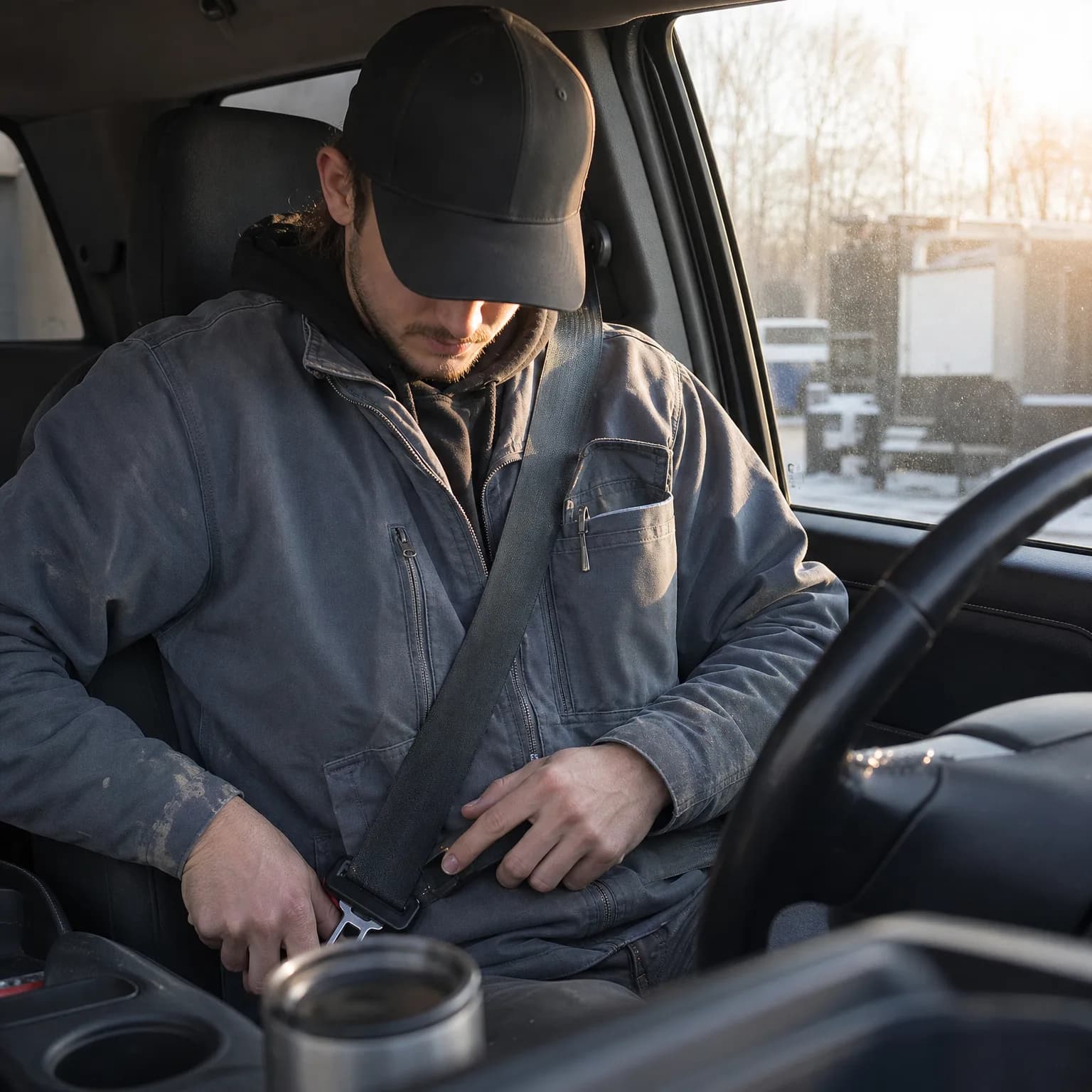
Getting Non-Owner SR-22 Filed Quickly in Nebraska
Most carriers offering non-owner SR-22 in Nebraska issue policies and file electronically with the DMV within 1–3 business days. Dairyland, The General, and Progressive write non-owner policies for suspended-license drivers and file SR-22 certificates immediately upon payment. GEICO and USAA offer non-owner coverage but restrict SR-22 filings to drivers with clean records in some states; confirm Nebraska eligibility before applying.
The DMV processes electronic SR-22 filings faster than paper certificates. Once filed, allow 3–5 business days for the certificate to appear in the DMV's system before scheduling your reinstatement appointment. Calling the DMV Driver Records division at 402-471-3918 confirms the filing has posted. Do not assume the carrier's confirmation email means the DMV received it; verify independently.
If you're approaching a court deadline or probation check-in, start the non-owner application 10–14 days early. Underwriting delays, payment processing lags, and DMV system updates can push timelines past what the carrier quoted. Missing the deadline because you applied 48 hours before costs you months of additional suspension in Nebraska's system.
3 years
Nebraska DUI SR-22 Filing Period
Nebraska requires continuous SR-22 filing for three years after DUI conviction reinstatement, measured from the reinstatement date, not the conviction date. The clock resets entirely if the policy lapses at any point during the three-year window.
Nebraska Revised Statutes § 60-4,186

Cost Differences Between Non-Owner and Standard Policies
Standard auto insurance with SR-22 in Nebraska averages $140–$220 per month for suspended-license drivers because the policy bundles liability, collision, and comprehensive coverage on a specific vehicle. Non-owner policies strip out vehicle damage coverage entirely, covering only your liability as a driver. That structural difference cuts premiums to $45–$85 per month in most Nebraska counties.
DUI violations push both policy types toward the higher end of their ranges. A first-offense DUI with non-owner SR-22 typically runs $70–$95 per month; a standard policy for the same driver averages $180–$240. Uninsured-driving suspensions see smaller gaps because the violation signals financial unreliability rather than impaired judgment, but non-owner policies still cost 40–50% less. Lancaster and Douglas counties run 10–15% higher than rural counties due to accident frequency and claim severity.
Compare Non-Owner SR-22 Carriers in Nebraska
Nebraska has nine carriers confirmed to write non-owner SR-22 policies for suspended-license drivers: Dairyland, The General, Progressive, GEICO, USAA, National General, Bristol West, and two regional carriers operating through independent agents. Dairyland and The General specialize in high-risk non-owner policies and approve most DUI applicants within 24 hours. Progressive offers competitive rates for uninsured-driving suspensions but applies stricter underwriting to DUI cases.
Request quotes from at least three carriers. Monthly premiums for identical coverage vary by $20–$40 depending on the carrier's risk model and how they weight your specific violation. GEICO's online quote tool excludes SR-22 options in some cases; call their SR-22 specialist line directly if the website doesn't generate a bindable quote. USAA restricts eligibility to military members and their families but offers the lowest non-owner SR-22 rates in Nebraska when you qualify. Enter your license number, violation details, and desired coverage start date into the comparison tool below to see which carriers will bind coverage immediately and which require additional underwriting review.
Who Qualifies for Non-Owner Policies in Nebraska
You qualify if you sold your vehicle during the suspension, never owned one, or plan to rely on public transit, rideshares, or occasional borrowed vehicles. Carriers ask whether any household member owns a car you could drive regularly. If your spouse, parent, or roommate owns a vehicle and you live at the same address, most carriers classify that as regular access and push you toward a standard policy with named-driver exclusions instead. Be precise during the application — misrepresenting vehicle access creates coverage gaps that surface during claims.
Employment Driving Permit holders in Nebraska qualify for non-owner policies as long as the permit restricts them to specific routes and they don't own the vehicle they drive for work. If your employer provides the vehicle, the employer's commercial policy is primary and your non-owner policy acts as secondary liability coverage. If you're borrowing a family member's car under the permit, confirm that the vehicle owner's policy lists you as an occasional driver to avoid gaps.
Get Your Free Quote
Get My Nebraska Suspended License Insurance QuoteFrequently Asked Questions
Does non-owner SR-22 insurance work for Nebraska reinstatement?
Yes. Nebraska DMV accepts non-owner SR-22 policies as proof of financial responsibility for license reinstatement as long as you don't own a vehicle. The policy must meet state minimum liability limits of $25,000/$50,000/$25,000 and remain active for the full SR-22 filing period.
Can I get non-owner SR-22 insurance with a DUI in Nebraska?
Yes. Dairyland, The General, Progressive, and National General write non-owner SR-22 policies for Nebraska DUI suspensions. Expect premiums of $70–$95 per month for first-offense DUI, higher for second or subsequent offenses. Approval typically takes 1–3 business days.
How long do I need to keep non-owner SR-22 insurance in Nebraska?
Three years for DUI-related suspensions, measured from your reinstatement date. Other violations may require shorter filing periods; check your DMV reinstatement letter for the exact duration. If your policy lapses at any point, the three-year clock resets entirely from the new reinstatement date.
What happens if I buy a car while I have non-owner SR-22 insurance in Nebraska?
You must convert to a standard auto policy immediately and notify the carrier within 30 days. Non-owner policies exclude vehicles you own or have regular access to. Driving your own car under a non-owner policy creates a coverage gap that leaves you personally liable for all damages in an accident.
Does non-owner SR-22 cover rental cars in Nebraska?
Yes, but only for liability. Non-owner policies provide bodily injury and property damage coverage when you drive a rental, but they exclude damage to the rental vehicle itself. Purchase the rental company's collision damage waiver separately if you want physical damage protection.
Can I use non-owner SR-22 with an Employment Driving Permit in Nebraska?
Yes. Non-owner SR-22 satisfies the insurance requirement for Nebraska's Employment Driving Permit as long as you don't own the vehicle you drive for work. If your employer provides the vehicle, their commercial policy is primary and your non-owner policy provides secondary liability coverage.